10 Essential Tips for Baking Perfect Cakes at Home
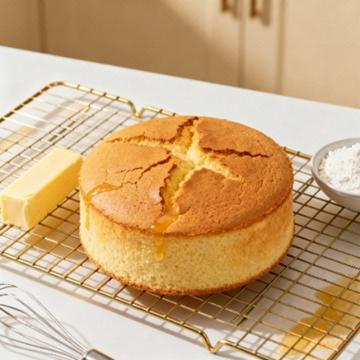
Baking a cake from scratch can feel intimidating, but with the right techniques, anyone can achieve bakery-quality results at home. Whether you're a beginner or looking to refine your skills, these expert tips will ensure your cakes turn out moist, fluffy, and delicious every time.
Measure Ingredients Accurately
- Baking is a science, and precision matters. Use measuring cups for dry ingredients and liquid measuring jugs for wet ones. Avoid mixing imperial and metric measurements, as inconsistencies can affect texture and rise.
Bring Ingredients to Room Temperature
- Cold butter won't cream properly. Let butter and milk sit at room temperature for 30 minutes before mixing for smoother incorporation and better texture.
Don't Overmix the Batter
- Mix your cake batter just until ingredients are combined. Overmixing develops gluten, leading to dense, tough cakes. Use a gentle folding motion with a large balloon whisk to incorporate flour without deflating the batter.
Preheat Your Oven
- A properly preheated oven ensures even baking and proper rise. Allow at least 15 minutes for your oven to reach the correct temperature before placing your cake inside.
Use Parchment Paper Rounds
- Line your cake pans with parchment paper circles and grease both the pan and the paper. This creates a non-stick environment and ensures your cakes release cleanly every time.
Get Air into Your Mixture
- Cream butter and sugar until the mixture lightens in color and texture—this incorporates air for a lighter cake. Sift dry ingredients together to add more air and prevent lumps.
Avoid Opening the Oven Door Early
- Opening the oven before the cake sets can cause it to collapse. Wait until at least three-quarters of the baking time has passed before checking.
Test for Doneness
- Insert a toothpick or skewer into the center of the cake. If it comes out clean or with a few moist crumbs, your cake is ready. An underbaked cake will have wet batter on the tester.
Cool Cakes Properly
- Let cakes cool in the pan for 10–15 minutes before transferring to a wire rack. This prevents cracking and ensures even cooling throughout.
Practice Makes Perfect
- Don't be discouraged by early failures. Each cake teaches you something new about your oven, ingredients, and technique. Keep experimenting with flavors and decoration styles to develop your signature style.